Advanced Leak Detection: Guard Your Home Against Hidden Water Damage
Effective leak detection plays an essential role in preserving the structural soundness of a home. Concealed water damage may lead to costly repairs and serious health risks. Homeowners often overlook early signs, such as unexplained stains or musty odors. By understanding these indicators and employing advanced detection methods, they can protect their property. Yet, a large number of homeowners are still uninformed about the best methods and resources at their disposal. What steps can be taken to guarantee a home stays safe from these silent threats?
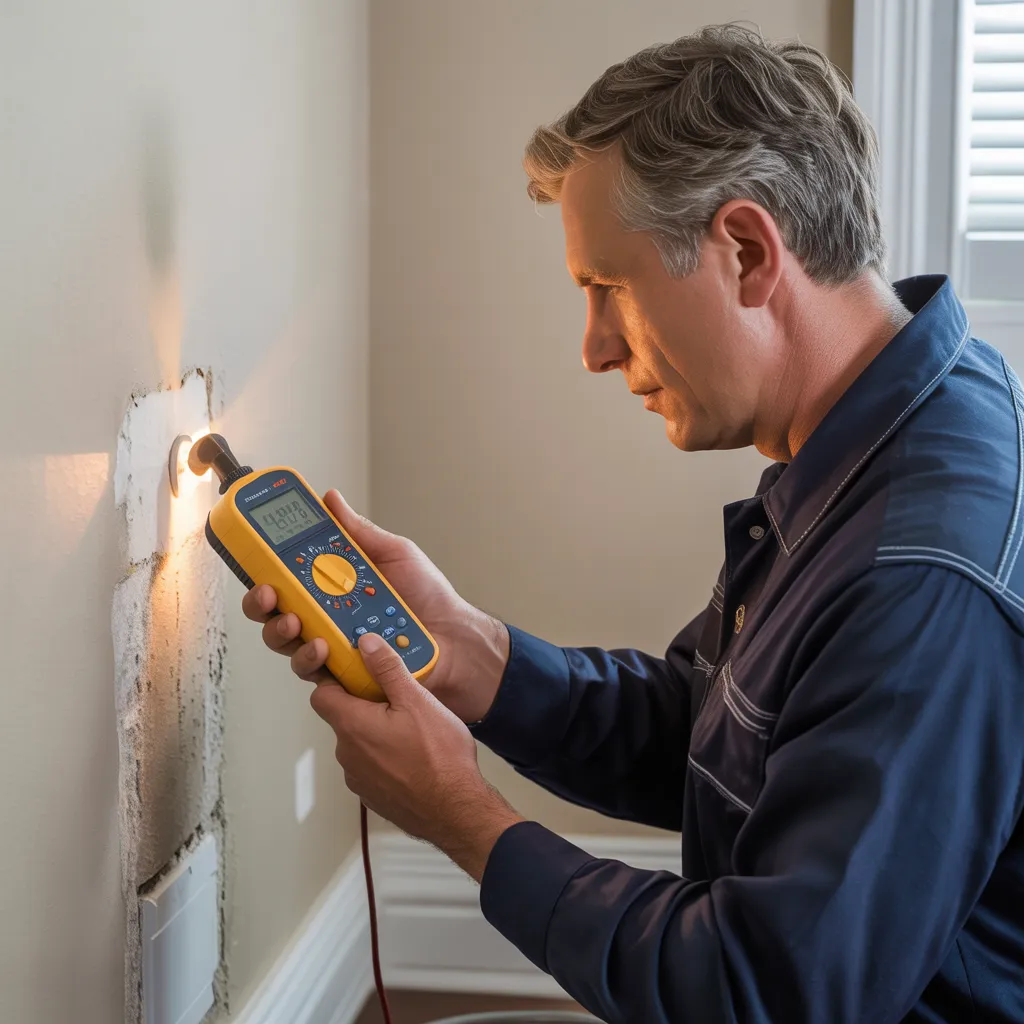
Why Leak Detection Should Be Your Top Priority
Why should homeowners prioritize leak detection? Homeowners should be aware that undetected leaks may cause considerable structural damage and high repair costs. Water intrusion can compromise the integrity of walls, foundations, and even electrical systems, leading to hazardous living conditions. Furthermore, extended exposure to moisture can promote mold development, presenting serious health hazards to residents.
Prioritizing proactive leak detection secures the home and simultaneously boosts property value. With early identification of leaks, homeowners are able to reduce potential damage, thereby avoiding the financial burden associated with extensive repairs. Regular inspections and advanced detection technologies can uncover hidden issues that may otherwise go unnoticed. Fundamentally, emphasizing leak detection secures the long-term integrity of the home and fosters a safer, healthier environment. By being vigilant, homeowners can protect their investment and maintain peace of mind.
Key Signs of Water Leaks You Need to Recognize
While water leaks might begin as minor issues, their signs can become increasingly evident if left unchecked. Residents should remain alert to several frequent warning signs of water leaks. explore article An obvious warning sign involves the appearance of water stains on walls or ceilings, which can manifest as brown or yellowish marks. Furthermore, wet or discolored spots on flooring may indicate moisture issues below the surface.
An additional warning sign is the presence of dripping or running water sounds when every fixture has been shut off. A sharp rise in the water bill, with no clear explanation, can also indicate hidden leaks. Mold and mildew development in spaces such as bathrooms or basements is an additional serious indicator of ongoing moisture problems. Lastly, warped or buckled flooring may suggest excessive water exposure. By recognizing these signs early, homeowners are able to take preventive steps to avert major damage and high repair costs.
Top Methods for Effective Leak Detection
Recognizing water leaks early is crucial for keeping a home in good condition and avoiding significant damage. Multiple techniques are accessible for successful leak discovery, addressing diverse scenarios and requirements. Visual inspections often serve as the first line of defense; residents can look for clear indicators such as water marks or mold development. Infrared scanning is an additional technique that utilizes heat-based imaging to detect heat discrepancies, revealing concealed leaks inside walls or ceilings.
Acoustic leak detection uses sound waves to pinpoint leaks, making it particularly effective for hidden or underground pipes. Pressure testing involves observing the pressure levels in plumbing systems to detect irregularities that indicate potential leaks. Additionally, moisture meters can measure dampness in materials, delivering quantitative data on potential leak sources. All of these approaches present unique benefits, empowering homeowners to pick the most fitting solution for their individual needs and guaranteeing proactive steps against water damage.
Finding the Most Effective Leak Detection Tools for Your Home
How do homeowners make certain they possess the correct equipment for successful leak detection? Selecting appropriate tools is essential for identifying hidden leaks before they cause significant damage. Key tools include moisture meters, which assess the moisture content in walls and floors, assisting in identifying wet spots. Infrared cameras are also valuable, as they detect temperature variations, indicating potential leaks behind surfaces.
In addition, acoustic leak detectors can pick up on the sound of water flowing out from pipe systems. Homeowners who favor hands-on approaches, simple dye tests are practical for checking toilet plumbing leaks. Property owners should additionally look into investing in automated leak detection solutions that send live updates through smartphone applications. When all is considered, recognizing the individual characteristics of their home and the different potential leaks will help property owners in selecting the most effective detection solutions, ensuring they are well-prepared to avoid costly water damage.
Establishing Preventative Actions to Combat Water Damage
Water-resistant materials in basements, kitchens, and bathrooms can further reduce the risk of damage. Homeowners should also think about installing moisture detectors, which can provide early warnings of leaks. Strategic landscaping, including grading the ground away from the home, can help channel water away from the foundation. Above all, regulating indoor humidity levels can inhibit mold growth, which is commonly a result of unaddressed water issues. By taking these proactive steps, homeowners can greatly reduce the likelihood of costly water damage.
When Should You Hire a Professional for Leak Detection?
When is it essential to seek professional assistance for leak detection? Residents should think about contacting a specialist when they detect ongoing moisture spots, unexplained increases in water bills, or a musty odor that lingers despite cleaning efforts. Additionally, if water stains appear on ceilings or walls, this could be a sign of a concealed leak that demands specialized diagnostic equipment. Expert technicians are equipped with the knowledge and technology, such as thermal imaging cameras and moisture meters, to precisely determine the source of the problem.
Additionally, if self-directed repair efforts have not yielded results, consulting a qualified professional is strongly recommended to prevent further damage. Houses equipped with older pipe systems or that have seen recent renovation activity present an increased probability of developing water leaks, rendering a thorough specialist inspection particularly important. When all is considered, timely intervention by a leak detection specialist may protect homeowners from significant repair expenses and damaging water-related losses over time.
Frequently Asked Questions
How Frequently Should I Inspect My Home for Leaks?
Homeowners should inspect for leaks at least twice a year, particularly around seasonal shifts. Routine checks allow for the early discovery of underlying concerns, minimizing damage and repair costs connected to undetected water leaks within the premises.
Can Leaks Occur in Appliances Like Dishwashers or Refrigerators?
Yes, leaks can occur in home appliances such as dishwashers and refrigerators. Over time, seals may wear out or hoses may sustain damage, resulting in possible water damage if not regularly inspected and maintained.
What Are the Lasting Consequences of Undetected Water Leaks?
Unnoticed water leaks can lead to severe structural damage, mold growth, increased utility bills, and health concerns. Over time, these problems may escalate, causing costly repair work and a potential decrease in property value.
Are Leaks More Likely to Happen During Certain Seasons?
Leaks tend to occur more frequently throughout the winter months, as freezing temperatures can cause pipes to burst, and throughout the spring season, when melting snow and heavy rainfall can overwhelm drainage systems. Recognizing these seasonal patterns supports the implementation of preventive measures.
How Can I Tell if My Water Meter Indicates a Leak?
To check whether a water meter is showing a leak, the meter reading should be noted before and after a period of water inactivity. A change in reading suggests a possible leak in the system.